Sir Julian Hartley visits North London Mental Health Partnership
NHS Providers chief executive Sir Julian Hartley visits North London Mental Health Partnership.

Sir Julian Hartley
Chief Executive,
Care Quality Commission
The recent redevelopment of St Ann’s Hospital in Haringey is a perfect illustration of the transformational impact capital investment in the NHS can have on quality of care and staff engagement.
The hospital is run by Barnet, Enfield and Haringey Mental Health NHS Trust, part of the North London Mental Health Partnership. This will soon formally merge with Camden and Islington NHS Foundation Trust to become the new North London NHS Foundation Trust on 1 October 2024, subject to Secretary of State approval.
I had the pleasure of visiting Blossom Court building, constructed in 2020 to provide acute adult inpatient care and inpatient eating disorder services, and speaking to Jinjer Kandola, chief executive, and Lena Samuels, chair, about the difference it has made to the trust.

The development was funded by the sale of surplus land on the site to the Greater London Authority for housing. Blossom Court’s four wards replaced provision described by the CQC as among the worst in the country.
The old building included dormitory wards inappropriate for care given: the environment they created made it harder for the trust to treat patients effectively, and created challenges in staff recruitment, retention and morale.
In contrast, as I was shown around Blossom Court by Faisa Omar, ward manager, and Lazarus Ndhovu, associate director of nursing for Haringey, I could see everywhere how patients were now better cared for.
There are individual rooms for all; alarmed doors to reduce ligature risk; a seclusion room that helps avoid over-use of medication and restraint; a calming de-escalation space; visible greenery outside; outdoor gym equipment and gardens; and dedicated rooms for clinical treatment, with staff trained in phlebotomy to help build a more multi-disciplinary care model.
All this has helped create such pride among staff. The first thing I was shown was the full set of Royal College of Psychiatry accreditation certificates, covering all four wards in Blossom Court. Vacancy rates have fallen as has corresponding reliance on bank and agency staff.
Faisa and Lazarus told me how team members were staying longer, progressing through the ranks and taking leadership roles. I met several who had done just that – and their passion for the services they ran and the teams they work with shone through.

However, challenges remain. While the trust has enough beds to meet demand, the facility is routinely at 100% capacity (85% is the goal, to enable rapid admissions when needed).
The main issue is discharge: when I visited, the trust had 68 people ready to leave – 80% of them were waiting for suitable housing from their local authority. The trust has cut out-of-area placements, but these do still happen and will continue to until occupancy rates come down.
Blossom Court was not the only inspiring new facility I saw. I also had the privilege of visiting a recently refurbished mental health crisis phone service, bringing together 111 mental health calls, child and adolescent services and calls from the police under the Right Care, Right Person scheme.
Despite the urgency of the calls staff were handling, the place felt calm and in control thanks to the professionalism and thoughtful design around use of soundproofing.
In Barnet, Enfield and Haringey Mental Health NHS Trust, I saw a provider close to its community, successfully nurturing talent and serious about improvement. It demonstrates the many benefits that can flow when the NHS is able to invest in facilities – and its people.
- Conference
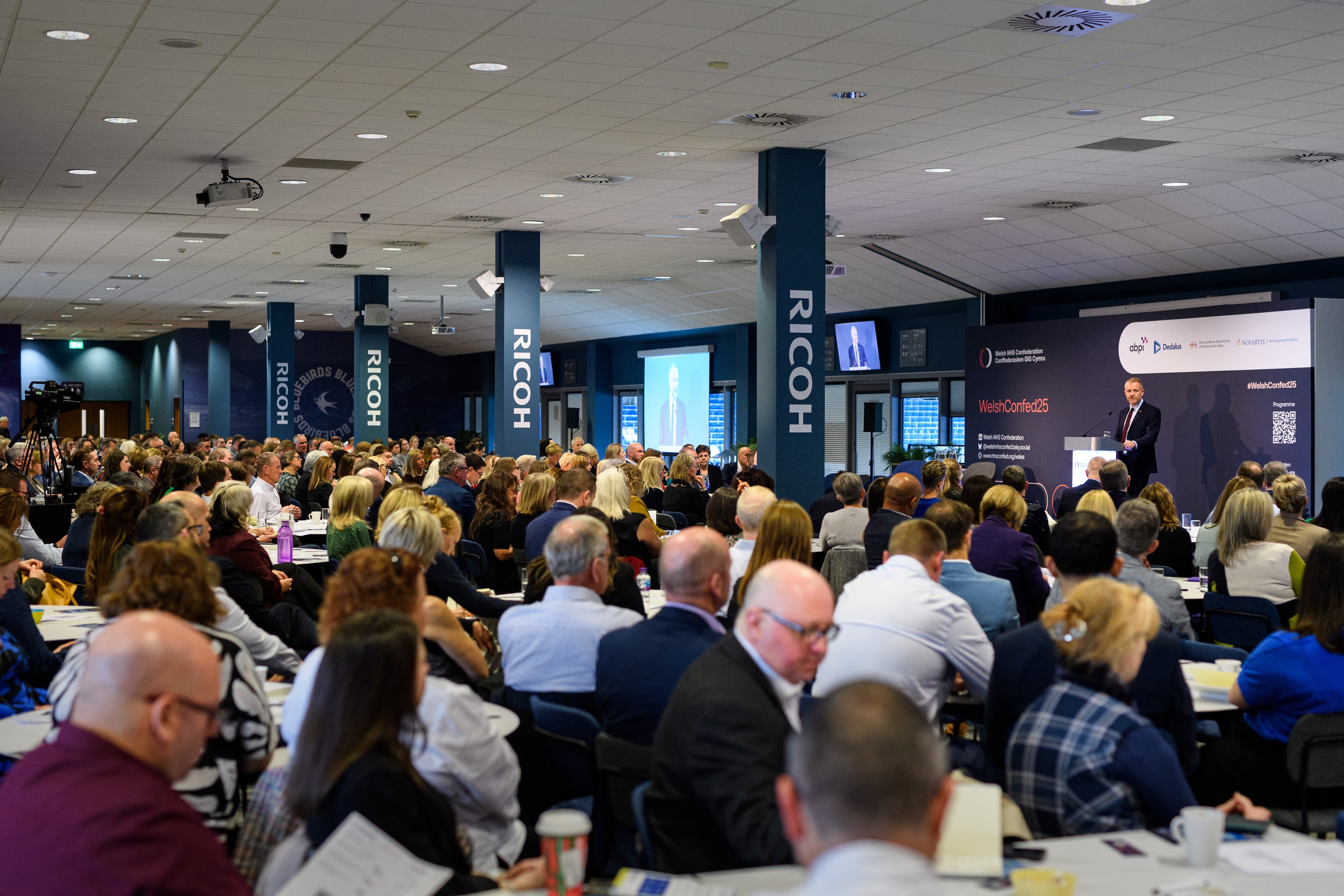
WelshConfed26: Welsh NHS Confederation Annual Conference & Exhibition
3 - 4 November 2026In-person
WelshConfed26 unites leaders at Wales' health and care event of the year.
Community
Cross-sector partnerships
Digital
Improvement
Leadership
Prevention
Primary care
Workforce
- Conference
WelshConfed26: Iechyd a gofal yng Nghymru: os nad nawr, pryd?
3 - 4 November 2026In-person
Mae Cynhadledd ac arddangosfa Flynyddol Conffederasiwn GIG Cymru yn uno arweinwyr yn nigwyddiad iechyd a gofal Cymru eleni.
Community
Cross-sector partnerships
Digital
Improvement
Leadership
Prevention
Primary care
Workforce
- Insights

What are community health services?
16 Oct 2026
Get a deeper undertstanding of what community health services are and what they do.
Community
- Report
Partnerships in practice
13 Oct 2026
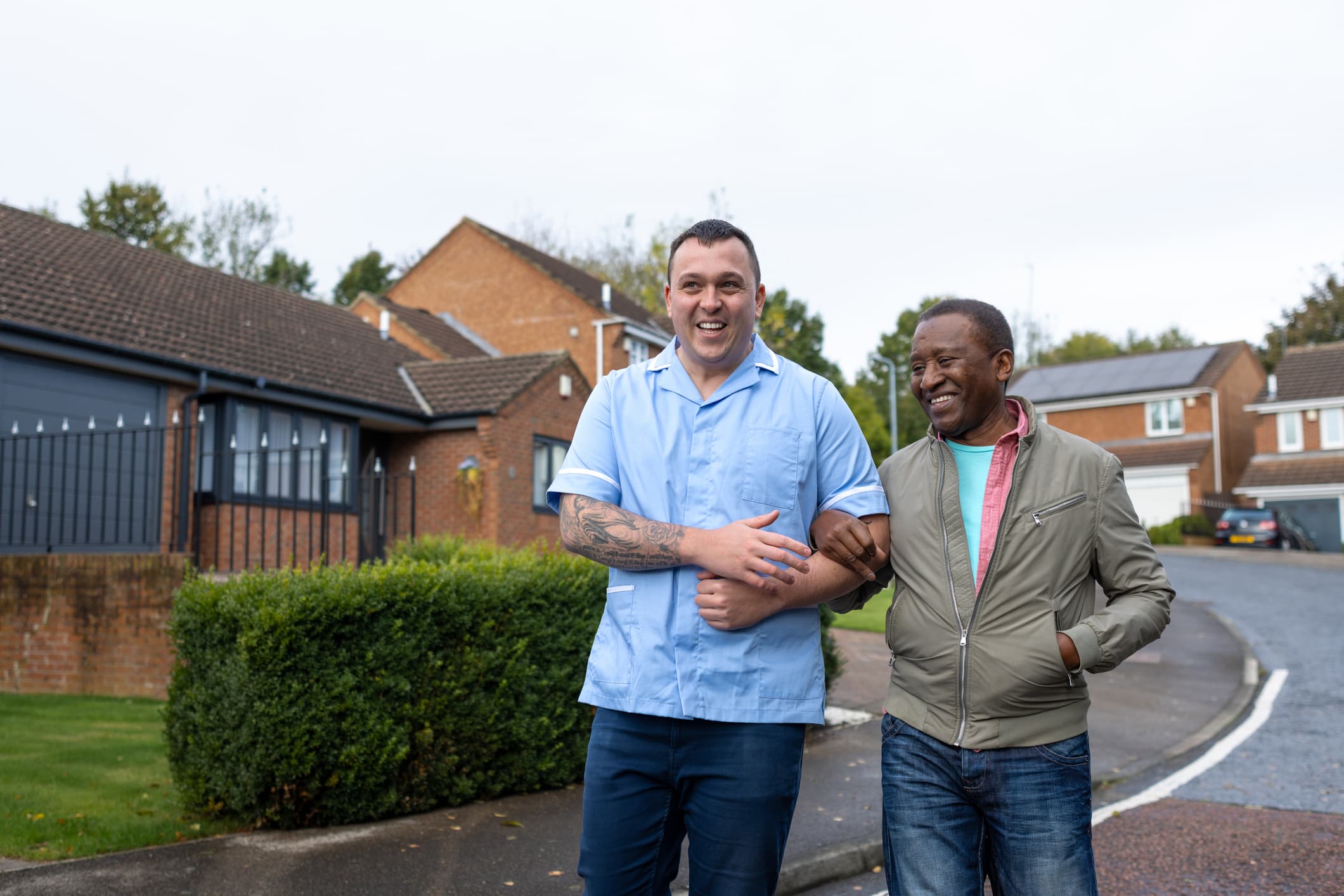
A report sharing the learning from an 18-month action research programme exploring how strategic services can work in partnership with community-led organisations to strengthen neighbourhood health.
Community
Cross-sector partnerships
Neighbourhood health
Primary care
Governance
- Case study

Reducing waiting time for CAMHS in Lancashire and South Cumbria
7 Oct 2026
Triage and pathway redesign have significantly reduced waiting times for children and young people’s core mental health services, while also reducing staff burnout and increasing retention.
Mental health
Community
- Insights

What is the strategic partnership landscape for health and care in Wales?
6 Oct 2026
This explainer examines the strategic partnership landscape for the health and care sector in Wales, including existing partnership arrangements, their purpose and what success looks like.
Cross-sector partnerships
Community
Delivery and performance
Governance