Keeping the ambition high in neighbourhood health
An ambitious vision for neighbourhood care should maintain a clear shared purpose among partners to improve citizen outcomes, writes Richard Kirby.

Richard Kirby
Chief Executive,
Birmingham Community Healthcare NHS Foundation Trust
Over the summer, the government’s 10 Health Year Plan set out an ambitious vision for a neighbourhood health service. With a large amount of highly anticipated guidance due imminently, it’s vital we keep that same scale of ambition, even as we work through the practical detail of how to make it happen.
I believe neighbourhood working is an exciting opportunity to shift to a new model of care, working closely with local government, the voluntary sector and communities themselves. If done well, not only will it improve the quality of care and support we provide to citizens to live well in healthy communities, but it will also help to manage the financial, demographic, and social factors from outside of the NHS that impact on care.
Commitment to this new model of care is confirmed by healthcare leaders. NHS Providers' State of the Provider survey showed that over 70% of leaders are prioritising neighbourhood health to support delivery of the 10 Year Health Plan. Already, some trailblazing parts of the system are showing just how significant this transformation could be.
We must avoid letting the complexities of implementation water down an inspiring vision into a set of smaller, less coherent measures
In the summer, I spoke about the size of this opportunity, for both community services and the wider health system alike. We must avoid letting the complexities of implementation water down an inspiring vision into a set of smaller, less coherent measures. Without a transformative vision, one that embraces the whole of the NHS as well as social care, local authorities, the voluntary sector and communities, we won’t realise the full potential of the changes the health service has tried and failed to achieve before.
Take finance, for example. Despite the intention to shift spending from hospitals towards more proactive, preventative and community-based care, we have seen a ‘right drift’ with funding moving in the opposite direction – as Lord Darzi so powerfully demonstrated.
My colleagues and I in the Community Network have made clear the need for reformed payment mechanisms. That’s why we welcomed the 10 Year Health Plan’s commitment to move away from block payments, toward establishing new financial flows to support the shift towards a neighbourhood model of care.
This might include capitated budgets, year of care payments and new payment mechanisms for urgent and emergency care and neighbourhood health. As seen at system level, this has the potential to transform pathways and the care patients receive.
However, it is notable that the Medium Term Planning Framework offers no further development on the 10 Year Health Plan’s pledge to shift resources from hospital to community care in the short-term.
This, together with the focus on well-established and important constitutional standards, creates a risk that the drift towards an increasing proportion of revenue spend going to the acute sector will continue. More radical changes to the NHS Payment Scheme are unlikely to be seen until later in the current parliament. The strategic commissioning role and neighbourhood health responsibilities of new integrated care boards may be crucial in mitigating this risk in the next few years.
Neighbourhood working is not new; providers have long been collaborating with local partners, and in many areas those relationships are already thriving through strong place-based partnerships
Neighbourhood working is not new; providers have long been collaborating with local partners, and in many areas those relationships are already thriving through strong place-based partnerships. The greatest challenge – and opportunity – is to build on these foundations to deliver the central ambition of the 10 Year Health Plan. That means building on what works locally, while recognising the scale of the change underway and approaching it with realism and coherence to ensure the transformation is sustainable.
We are encouraged by NHS England and DHSC working with NHS leaders to co-design new financial flows to support neighbourhood working. This is a positive step that aligns strongly with the Community Network’s longstanding advocacy for the sector. I’m hopeful this will help accelerate the work community providers are already doing across the country, embracing flexibility based on population need and local relationships in each system.
As leaders, we look to the centre to provide the conditions we need to succeed to make the neighbourhood agenda a reality. Community providers working closely with primary care sit at the heart of delivering the neighbourhood ambition, alongside system partners, and are committed to delivering on this vision.
We can’t afford to dilute reform where it’s most needed, nor narrow the scope of what neighbourhood working could be. Instead, an ambitious vision for neighbourhood care should maintain a clear shared purpose among partners to improve citizen outcomes.
While the hunger for change remains strong, we shouldn’t allow the complexity and technicalities of these changes to dull our appetites. Keeping the vision at the heart of neighbourhood working truly ambitious will not get in the way of making reform a reality – in fact, it's essential.
Richard Kirby is chief executive officer at Birmingham Community Healthcare NHS FT and chair of the Community Network.
- Conference
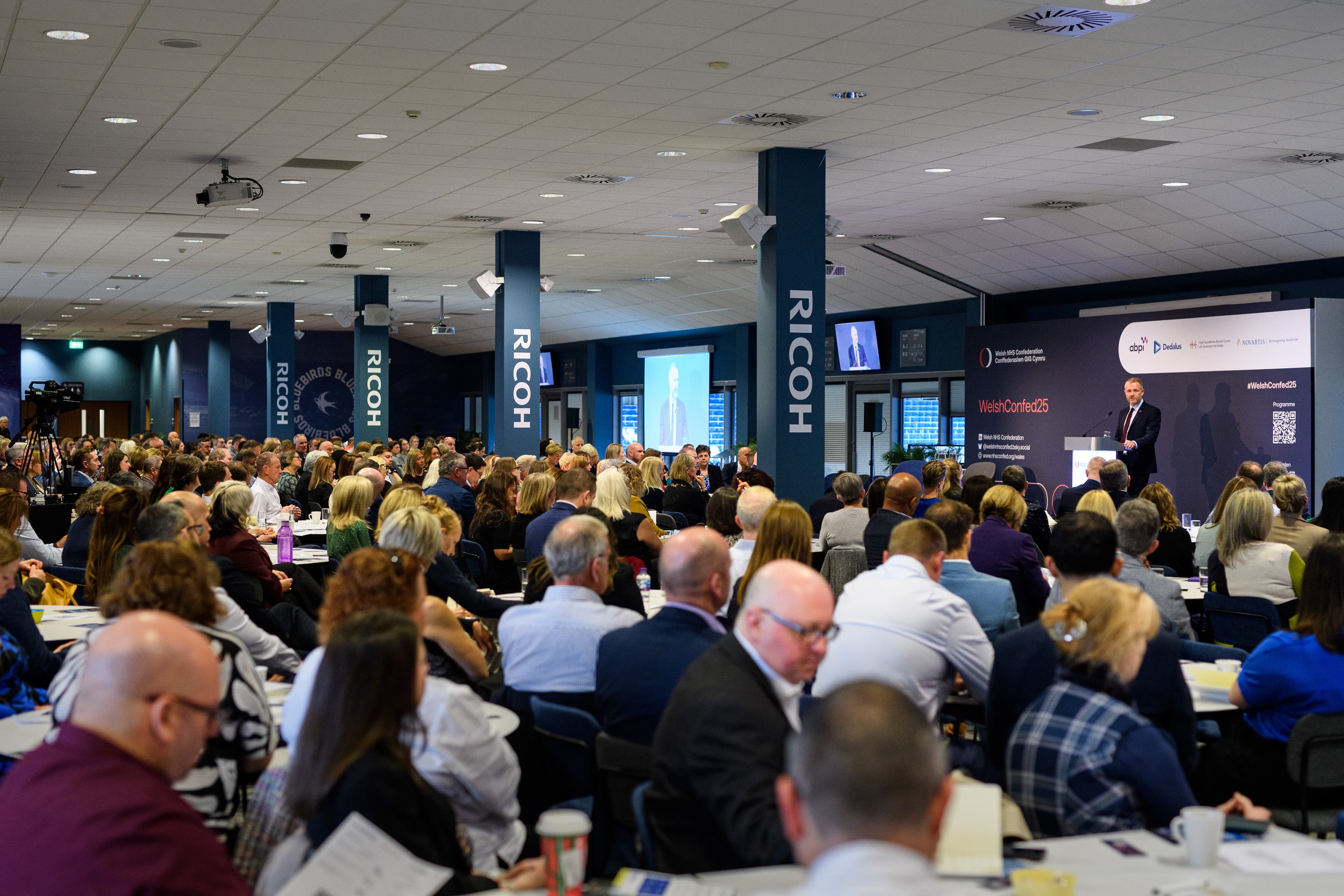
WelshConfed26: Iechyd a gofal yng Nghymru: os nad nawr, pryd?
3 - 4 November 2026In-person
Mae Cynhadledd ac arddangosfa Flynyddol Conffederasiwn GIG Cymru yn uno arweinwyr yn nigwyddiad iechyd a gofal Cymru eleni.
Community
Cross-sector partnerships
Digital
Improvement
Leadership
Prevention
Primary care
Workforce
- Conference
WelshConfed26: Welsh NHS Confederation Annual Conference & Exhibition
3 - 4 November 2026In-person
WelshConfed26 unites leaders at Wales' health and care event of the year.
Community
Cross-sector partnerships
Digital
Improvement
Leadership
Prevention
Primary care
Workforce
- Case study

Using a neighbourhood model to better support frailty patients
25 Sep 2026
Apollo PCN is reducing avoidable admissions, improving personalised care and demonstrating what integrated neighbourhood working can achieve for frail and complex patients in Warwickshire North.
Neighbourhood health
Primary care
Social care
Community
- Insights
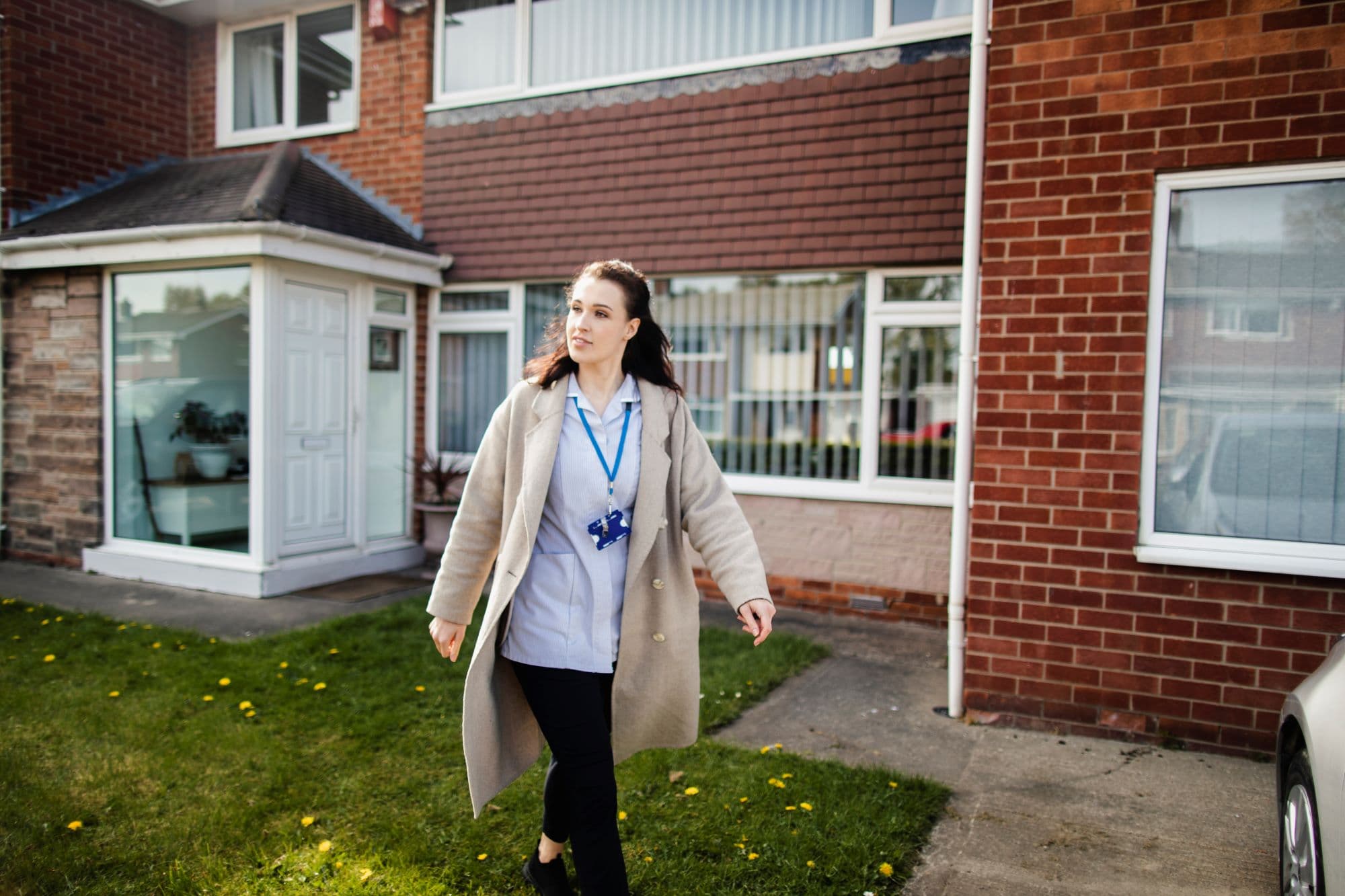
Celebrating Community Services Week
22 Sep 2026
Celebrating Community Services Week is an NHS Alliance initiative that invites you to share stories, evidence and messages about the contribution of community services.
Community
- News
New explainer shines spotlight on voluntary sector's vital role in Wales' health and care system
4 Aug 2026
The Welsh NHS Confederation and WCVA publish a joint explainer examining the importance of the voluntary sector’s role in health and care in Wales.
Prevention
Community
Cross-sector partnerships
Health inequalities
Social care
- Insights

How the voluntary sector and volunteers support the health and care system in Wales?
4 Aug 2026
This explainer article from Wales Council for Voluntary Action’s (WCVA) Health and Care Project looks at the importance of the voluntary sector’s role in health and care in Wales.
Prevention
Community
Cross-sector partnerships
Health inequalities
Social care