Online consultation is a 'game-changer' for general practice
Online patient consultation and clinical triage have seen a vast increase in patient satisfaction and staff morale, writes Dr Joe McManners from OX3+ Primary Care Network.

Dr Joe McManners
GP and Clinical Director,
OX3+ Primary Care Network
Wider rollout of online access to general practice is currently creating some concern, but in our GP practice we have found it a game changer for our staff and our patients.
In September 2021 we experienced the post-lockdown 'Covid wave' of demand for general practice. We felt overwhelmed. Waiting times were heading beyond two weeks for routine appointments and phone lines were swamped. We found patients were having multiple appointments, often unnecessarily and often not with the ideal clinician for their needs.
We decided to take control.
Introducing patient consultation and GP triage
We implemented two system changes within a month. Firstly, we introduced a patient-friendly online consultation tool that avoided barriers or forcing patients to answer in a set way. Secondly, we brought in GP triage of clinical requests to ensure patients saw the right clinician within the right timescale. Patients can still call or walk in and are asked the same simple questions by our reception team as on the online tool.
These questions provide just enough information to make a safe clinical triage decision. We use Accurx forms via our website (other providers are available!) which link directly to our Accurx triage system and EMIS. Patients writing their own answers generally gave richer detail, often with photos, and a quick GP text clarifies things further if needed.
The GPs then make a simple clinical triage decision (who, when, what), deal with any 'quick wins' and then our patient services team do the rest.
The online access is open the same hours as we are, with safety-netting checks so patients don’t submit urgent problems online. They are asked about urgency and red flags and told to call instead if needed. Patients must actively tick to confirm this. They are sent a response explaining next steps once clinically triaged and will hear within a working day, though in practice it is rarely more than a few hours. After 6pm, GPs stop routine triage. Requests after 5pm are usually triaged the next day, with a duty doctor until 6.30pm if required.
Gathering the facts
What we found was that reception no longer had to decide if something was urgent or routine based on how strongly a patient presented their problem. They simply gathered the facts and the clinician made the decision, which also stopped them getting stick for waiting times.
Waiting times for routine appointments dropped dramatically to around five days and have stayed there since.
Receptionists then had more time to support patients properly. Roughly a third of clinical requests could be dealt with by the triaging GP via simple SMS advice or diversion to another MDT member, inside and outside our practice. Waiting times for routine appointments dropped dramatically to around five days and have stayed there since.
When patients do need to see a GP, we can spot those needing an urgent same-day slot and those best to wait for their usual GP for continuity. GPs now usually see patients already well ‘packaged’ with the right information collected before the appointment.
We have a Google average review of 4.0, high Friends and Families Test score and the 2025 GP survey showed 92% rated us overall as 'good' and 97% rated contacting the practice as 'good'.
This feeling is reflected in day-to-day working. Managing demand and providing better access reduced stress on staff, reduced conflict with patients and has created a positive environment where job satisfaction is high.
GPs have moved to 15-minute appointments and strongly appreciate seeing the right patients for them in their clinics. The system feels safer as we spot urgent presentations straight away and patients don't wait too long for non-urgent problems.
Reducing ‘failure demand’
We found that by introducing a clinical decision within a few hours and communicating promptly to the patient, we reduced 'failure demand'.
Failure demand includes the concept that not dealing with a problem efficiently first time increases workload and results in a vicious circle as resources are drawn to deal with the consequences of that failure.
A classic example is the 'ring back tomorrow' concept. Or the receptionist who constantly ends up with long arguments with patients who have waited a long time for the phone to be answered, resulting in the call times increasing.
The combination of increased online access and clinical triage is one of those Goldilocks innovations we need more of.
Our system isn't perfect, and we very much embrace the 'continual improvement' ethos, but the combination of increased online access and clinical triage is one of those Goldilocks innovations we need more of. It genuinely is a win for both primary care teams and patients.
One final thought is that although I would recommend making these changes sooner rather than later, these innovations need support and a period of transition.
There will be a way that we can do it in a positive and collaborative fashion that understands and address concerns. The benefits to primary care and our patients are great if we get this right.
Dr Joe McManners is a GP and clinical director of OX3+ Primary Care Network in Oxfordshire.
- Conference
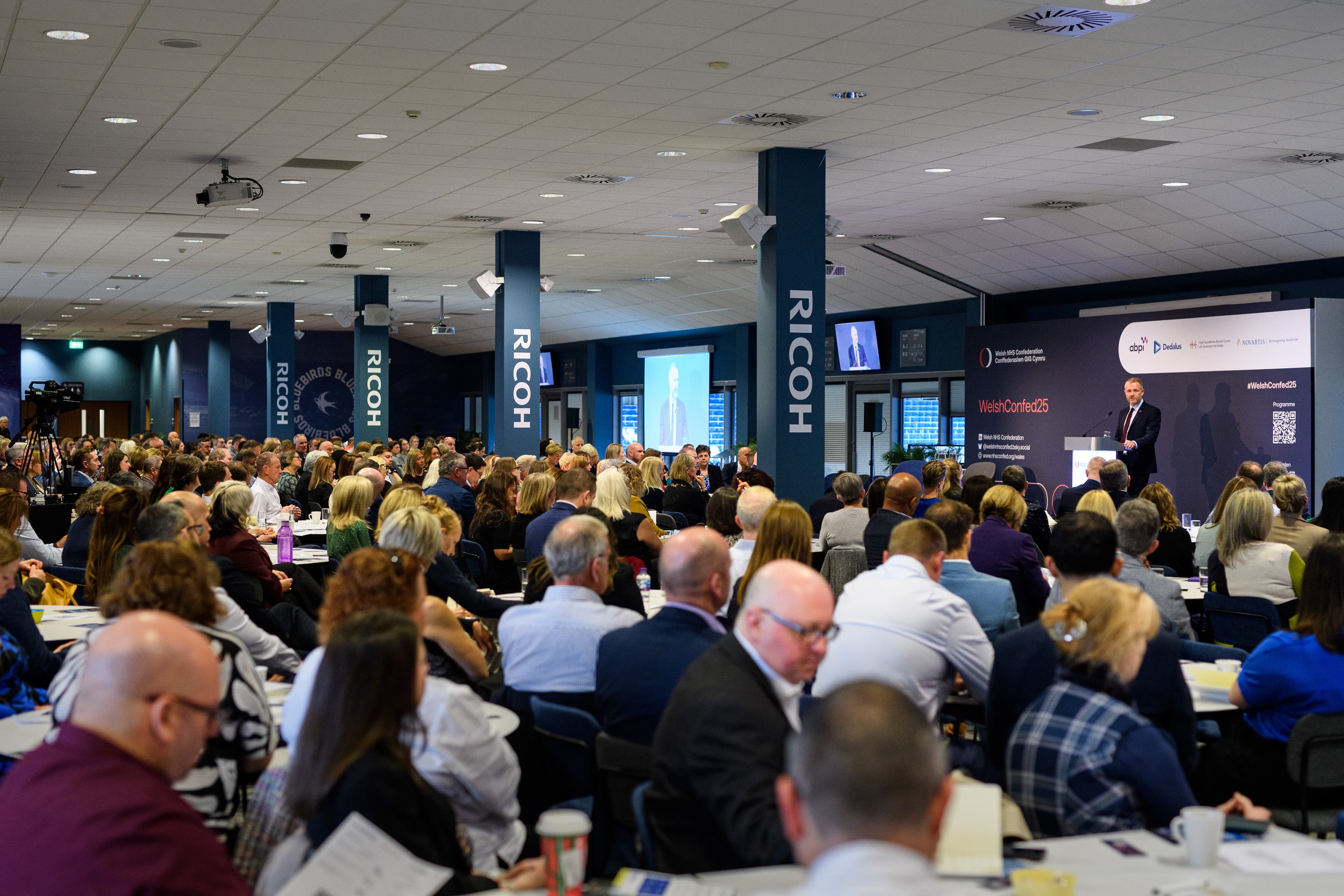
WelshConfed26: Iechyd a gofal yng Nghymru: os nad nawr, pryd?
3 - 4 November 2026In-person
Mae Cynhadledd ac arddangosfa Flynyddol Conffederasiwn GIG Cymru yn uno arweinwyr yn nigwyddiad iechyd a gofal Cymru eleni.
Community
Cross-sector partnerships
Digital
Improvement
Leadership
Prevention
Primary care
Workforce
- Conference
WelshConfed26: Welsh NHS Confederation Annual Conference & Exhibition
3 - 4 November 2026In-person
WelshConfed26 unites leaders at Wales' health and care event of the year.
Community
Cross-sector partnerships
Digital
Improvement
Leadership
Prevention
Primary care
Workforce
- Event

Getting to grips with cyber security
2 November 202610:30 - 12:00Online
Join our Digital Boards programme peer learning event exploring best practice in cyber security.
Digital
- Event

Responsible AI in NHS Communications
15 October 202610:30 - 12:00Online
Bringing together communicators from across the NHS to explore the choices, responsibilities, and safeguards needed for ethical AI use in NHS communications.
Communications
Digital
- Network

NHS Digital Leaders Forum
13 October 202610:00 - 11:30Online
This online forum is digital and innovation leaders in the NHS to explore the national landscape reflect on digital transformation and sector priorities.
Digital
Delivery and performance
Improvement
Leadership
- Conference

NICON26 Conference & Exhibition: Reset for All | Action by All
7 - 8 October 2026Online and in-person
Delivery and performance
Digital
Finance
Governance
Health inequalities
Commissioning
Communications
Leadership
Improvement
Neighbourhood health
Prevention
Primary care
Social care
Workforce
Regulation