Pioneering the "third way" for NHS estates: a practical path from recovery to reinvention
Nick Dawe
Managing Director,
Darwin Group
As the NHS embarks on its ambitious 10-year plan, the challenge is clear: deliver elective recovery, modernise ageing infrastructure, and prepare for the future of care – all while meeting the urgent needs of today. Waiting lists remain high, workforce pressures are mounting, and estate constraints continue to limit what frontline teams can achieve.
The latest set of critical statistics from the Royal College of Surgeons Surgical Workforce Census, reinforces what surgeons are experiencing: limited theatre access, unfit spaces, and infrastructure constraints are directly affecting patient care, workforce wellbeing, and productivity.
53% of surgical consultants identified theatre access as a major challenge, driven by lack of theatre space (73%), availability of theatre staff (59%), and bed availability (47%).
Strategic programmes like the New Hospital Programme are essential, but their timelines stretch years into the future. The question is: how do we bridge the gap between today’s reality and tomorrow’s vision?
The answer may lie in reimagining the NHS estate—not as a static backdrop, but as an active enabler of productivity, resilience, and recovery. For decades, the conversation has been framed as a binary choice: temporary solutions that deliver speed but compromise quality, or traditional builds that offer permanence but lack agility. It’s time to move beyond that.
Introducing the third way: a new approach to healthcare infrastructure
The Third Way combines the best of both worlds: the clinical standards and longevity of permanent construction with the speed, flexibility, and adaptability traditionally associated with temporary facilities. This is not about compromise – it’s about creating a new category of estate solution that meets immediate needs while supporting long-term objectives.
As an NHS Professor of surgery commented when visiting a Darwin Group On-Demand® operating theatre: “When I walked into the [On-Demand] theatre, it felt like coming home. It felt perfect. To a surgeon, a theatre is a place you know and love – where you may spend the vast majority of your working life. To walk into a room that is person-ready is such a delight.”
At Darwin Group, we call this approach On-Demand: permanent-grade facilities delivered at pace, designed to feel indistinguishable from traditional hospital facilities, and built to adapt as care models evolve. These environments provide clinicians and patients with spaces that uphold safety, dignity, and operational excellence – whether they are needed for months or years.
Why On-Demand matters now
- Accelerates elective recovery by unlocking theatre capacity and reducing cancellations caused by estate constraints.
- Supports workforce wellbeing through high-quality, intuitive environments that enhance focus and retention.
- Protects investment by avoiding underutilised assets and reducing reliance on outdated temporary facilities.
- Future-proofs care delivery by enabling estates to evolve alongside technology, demographics, and clinical practice.
This approach aligns with the NHS’s strategic direction: embracing modern methods of construction and improving productivity, while anticipating the shift towards delivering care closer to communities.
A call to think differently
The NHS’s vision for the next decade is bold – and rightly so. But achieving it requires more than traditional thinking. It demands solutions that blend permanence with agility, speed with quality, and immediate responsiveness with long-term value. On-Demand facilities offer exactly that: a way to relieve today’s pressures while building an estate strategy that is fit for the future.
As one NHS leader observed during a tour of Darwin Group’s latest On-Demand facility: "It’s extraordinary. You have completely reimagined how to build a hospital."
The pressures on NHS estates are significant, but so is the opportunity to innovate. The Third Way is that opportunity – a pioneering approach that supports the NHS in delivering its objectives now and for decades to come.
- Network

NHS Chief People Officers Forum
4 February 202714:00 - 16:15Online
An opportunity for NHS chief people officers, workforce leaders and directors of HR to connect in a safe space, share strategic reflections, and explore national leadership priorities together.
Workforce
- Conference

The NHS and Youth Participation Conference
19 November 202610:00 - 16:00In-person
Delivering the Milburn Review: How the NHS can create opportunity, improve health and strengthen local economies
Health inequalities
Improvement
Leadership
Mental health
Prevention
Workforce
- Insights

Young People and Work Review: what you need to know
18 Nov 2026
Summary and analysis of Alan Milburn's review into young people and work, which highlights the scale of the problems facing young people and makes several recommendations for the NHS.
Cross-sector partnerships
Leadership
Workforce
Improvement
Mental health
Prevention
Neighbourhood health
Quality
- News
The NHS Alliance and NHS Employers on the Milburn review
16 Nov 2026
We look forward to this report offering an urgent and compelling case for a new approach to transforming care, supporting children and young people and providing them with opportunities.
Workforce
Cross-sector partnerships
Mental health
- News
NHS Alliance welcomes news of consultants' strike suspension
11 Nov 2026
Sir Ciarán Devane responds to BMA announcement that consultants' strike will be suspended due to negitiations.
Workforce
- Conference
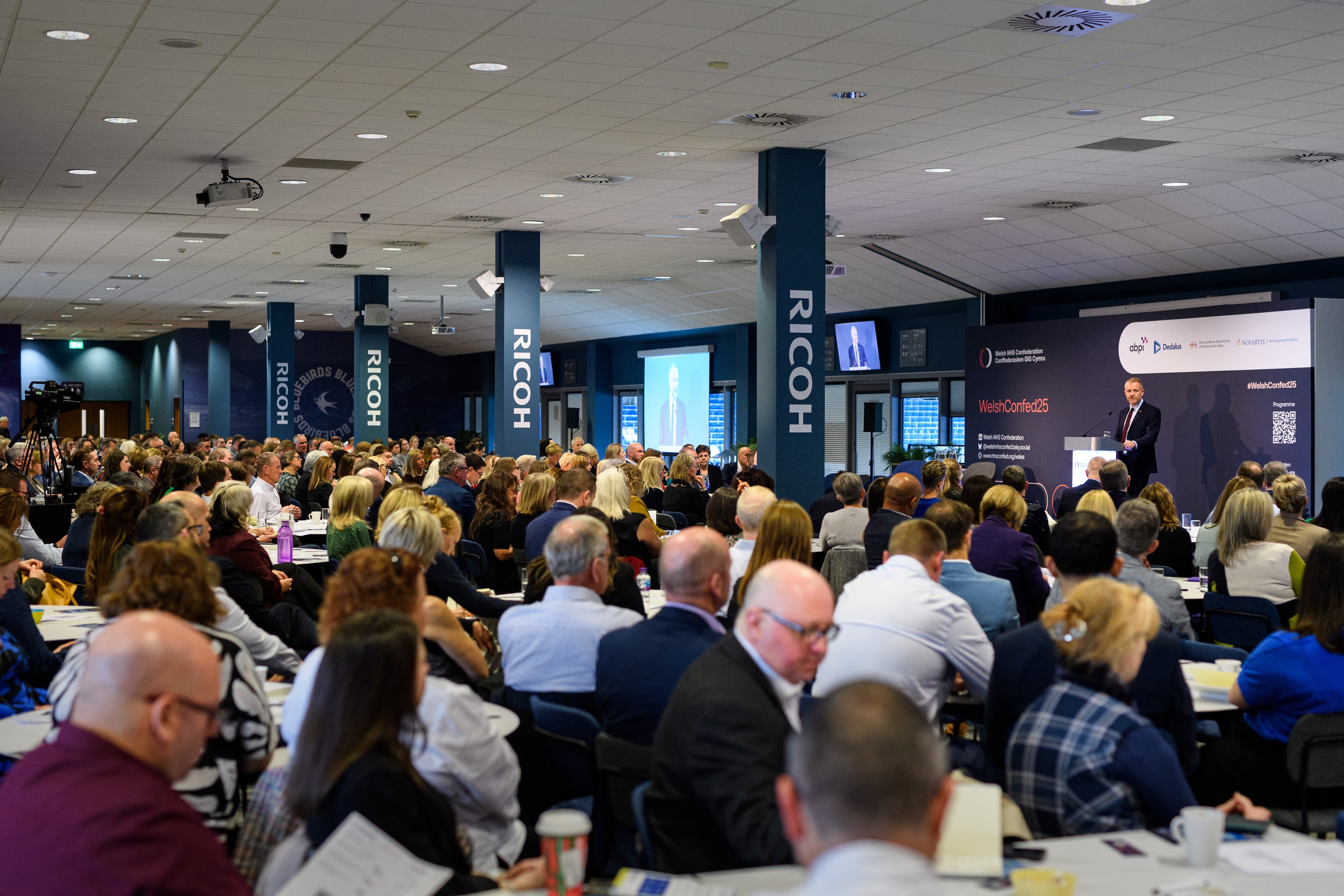
WelshConfed26: Welsh NHS Confederation Annual Conference & Exhibition
3 - 4 November 2026In-person
WelshConfed26 unites leaders at Wales' health and care event of the year.
Community
Cross-sector partnerships
Digital
Improvement
Leadership
Prevention
Primary care
Workforce